
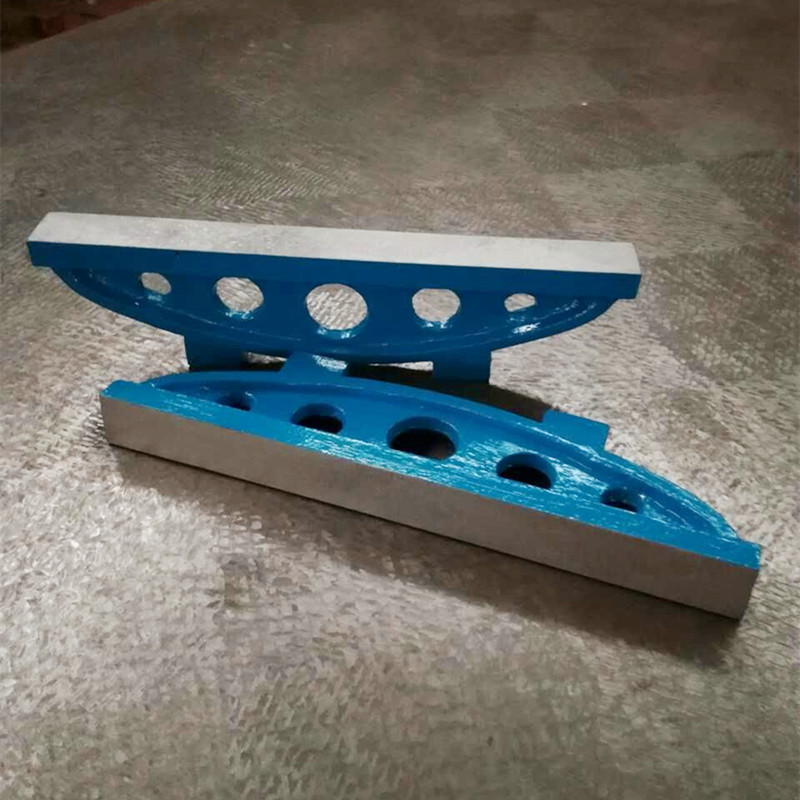
frosted glass privacy screen
Understanding Ring Gage Class A Comprehensive Overview In the world of precision measurement and quality control, ring gauges, also known as ring gages, play a critical role. These tools are essential for verifying the dimensions of cylindrical objects, especially holes and shafts. The classification of ring gages, particularly by the ring gage class, is a vital topic for engineers, machinists, and quality assurance professionals. This article delves into the significance, types, and applications of ring gage classes, providing a comprehensive understanding of their importance in manufacturing and quality control. What is a Ring Gage? A ring gage is a mechanical device primarily used to check the internal dimensions of a hole or the external diameter of a shaft. It is designed as a circular ring with an internal diameter that is precisely machined to predetermined specifications. By placing the gage over the part being measured, operators can easily determine if the part meets the required tolerance levels. Ring gages are manufactured to high accuracy and are often made from hardened tool steel or other durable materials that resist wear over time. They can assess fits such as Go and No-Go conditions, enabling quick and effective quality checks. Ring Gage Classifications Ring gages are classified based on their tolerance levels and intended use, significantly influencing manufacturing processes. Understanding these classifications is crucial for selecting the appropriate gage for a specific application. The primary classes of ring gauges are 1. Class X (or 0) This class represents the highest level of precision. Ring gages in this category are used for critical components where the utmost accuracy is required . Examples include aerospace and medical instrument manufacturing, where even small deviations can lead to failure or safety issues. ring gage class 2. Class Y (or 1) This class allows for slightly larger tolerances than Class X. While still representing high accuracy, Class Y is suitable for precision parts in automotive or machinery applications where exacting standards are important but slight variations may be acceptable. 3. Class Z (or 2) This classification is typically used for parts that do not require the extreme precision of Class X or Y. Class Z gages are often used in general manufacturing practices, where tolerances can be looser, allowing for cost-effective production. 4. Special Classes In addition to the standard classifications, manufacturers can create special gages tailored to specific applications or materials. These gages might incorporate unique features or tolerances suitable for specialized processes. Applications of Ring Gages The applications of ring gages are vast and varied across industries. In automotive manufacturing, they are used to ensure that engine components fit properly together. In aerospace, they guarantee that critical parts are manufactured to stringent standards, directly affecting safety and performance. In the production of precision tools, ring gages help ensure reliability and functionality. Furthermore, ring gages are important in ensuring interchangability between parts, particularly in mass production environments. High-quality standards not only reduce waste but also increase customer satisfaction by delivering products that meet or exceed specifications. Conclusion In conclusion, understanding ring gage classes is essential for anyone involved in the manufacturing and quality control sectors. The precision offered by ring gages is foundational to ensuring that parts fit correctly and function as intended. By selecting the appropriate class of ring gage, professionals can guarantee that they are meeting industry standards and fostering an efficient manufacturing process. The integration of ring gages into quality assurance measures not only streamlines production but also affirms the commitment to excellence in engineering and design.
about
frosted glass privacy screen
Tapering Gauges Využití a výhody v výrobě Tapering gauges, známé také jako kalibraci nebo kuželové měřidla, jsou důležitým nástrojem ve světě výrobního a strojírenského průmyslu. Tyto měrné přístroje, které se vyznačují kuželovitým tvarem, slouží k měření a kontrolování různých komponentů a otvorů. Jejich použití je rozmanité a v posledních letech se stává stále důležitější součástí kvalitativního řízení v průmyslové výrobě. Definice a konstrukce tapering gauges Tapering gauges jsou měřidla, která se postupně zužují a umožňují tak přesné měření jakosti otvorů a závitů. Tato měřidla bývají vyrobena z pevných a odolných materiálů, jako je nerezová ocel, což zaručuje jejich dlouhou životnost a přesnost. Tapering gauges obvykle obsahují různé velikosti kuželů, které pokrývají široké spektrum měření od nejmenších detailů až po větší průchody. Využití tapering gauges v praxi V praxi se tapering gauges používají k ověřování rozměrů otvorů, které mají kuželovitý tvar, jako jsou například díry pro různé šrouby a spojovací prvky. Skrze jejich použití mohou technici a inženýři rychle a efektivně zjistit, zda daný otvor splňuje specifikované rozměry. To je obzvláště důležité v průmyslové výrobě, kde jakákoli odchylka může mít za následek vážné problémy s kvalitou a výkonností finálních produktů. tapering gauges Kromě toho jsou tapering gauges nezbytné při kontrole tolerance a celkového zpracování komponentů . Umožňují totiž měření s vysokou přesností, což vede k eliminaci chyb a tím i ke snížení nákladů na výrobu. Jejich použití v procesu kontroly kvality pomáhá zajistit, že výrobky splňují přísné normy a standardy, jaké jsou dnes požadovány v mnoha odvětvích. Výhody použití tapering gauges Mezi hlavní výhody tapering gauges patří jejich přesnost a spolehlivost. Tyto nástroje lze snadno a rychle použít, což šetří čas a zvyšuje efektivitu výrobního procesu. Dále je lze využít k měření různých materiálů, což je činí univerzálním nástrojem pro širokou škálu aplikací. Další výhodou je schopnost tapering gauges odhalit i malé odchylky v rozměrech, které by mohly být jinak přehlédnuty. Tento aspekt je klíčový pro udržení vysoké úrovně kvality produktů a spokojenosti zákazníků. Přesné měření navíc přispívá k bezpečnosti a výkonnosti konečných výrobků, čímž se zvyšuje důvěryhodnost výrobců. Závěr V dnešní rychle se vyvíjející výrobní sféře hrají tapering gauges nezastupitelnou roli. Jejich efektivita, přesnost a univerzálnost z nich činí ideální nástroj pro kontrolu kvality a měření rozměrů. S rostoucím důrazem na kvalitu a bezchybnost výroby se očekává, že jejich využití bude v budoucnosti dále růst. Pokud výrobci chtějí udržet krok s moderními technologickými požadavky a očekáváními zákazníků, je investice do tapering gauges nejen rozumná, ale i nezbytná.
-

High quality industrial productsagement

High quality industrial products
View Details -

Meet the diverse needs of customers

Meet the diverse needs of customers
View Details -

Strict quality control

Strict quality control
View Details -

Top raw materials

Top raw materials
View Details -

Trusted supplier

Trusted supplier
View Details
Our application


news and information
Wrought iron finials
The Timeless Elegance of Wrought Iron Caps An Architectural Delight Wrought iron caps, an integral
Y Type Strainer with Integrated Drain Valve for Efficient Fluid Management
Understanding Y-Type Strainers with Drain Valves In various industrial applications, ensuring the in
Versatile and Compact Welding Workbench for Efficient Metal Fabrication
The Portable Welding Table A Essential Tool for Welders In the dynamic world of metalwork and fabric
 English